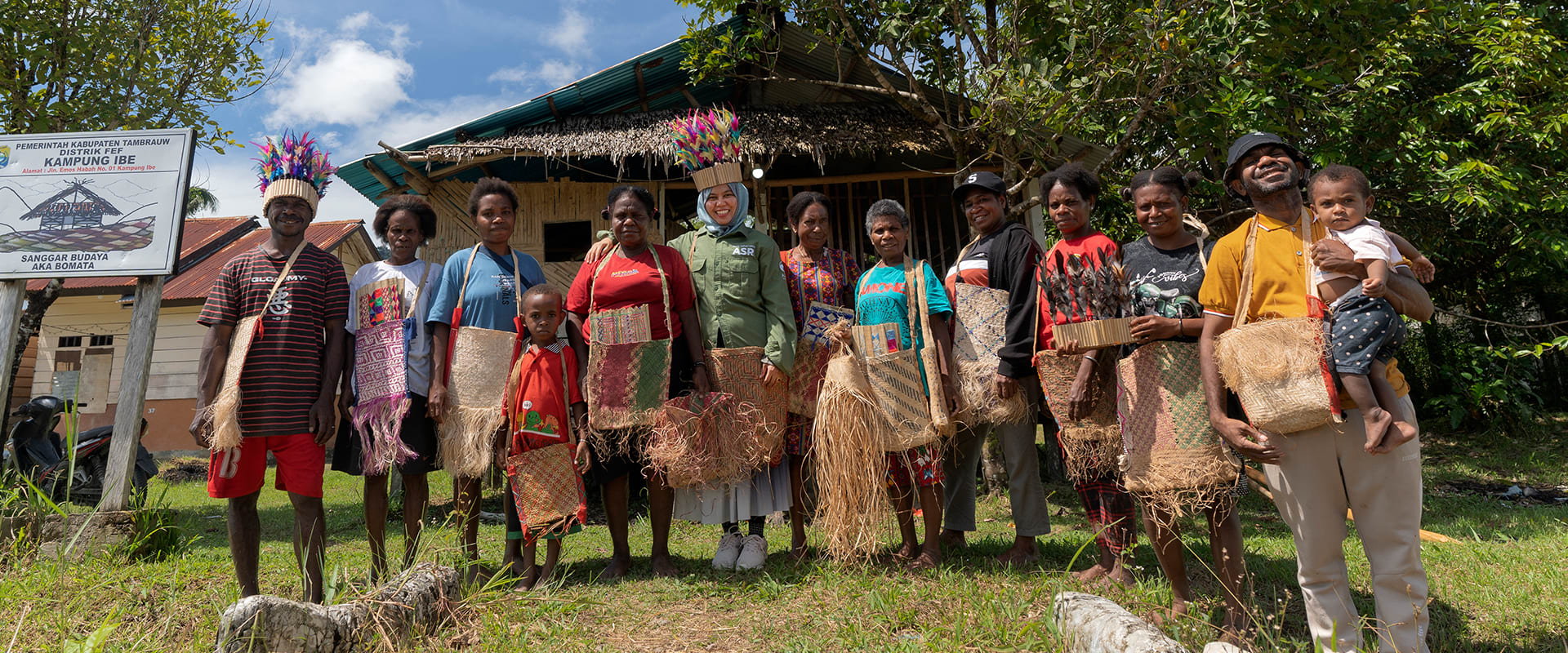
A Youth Perspective from the Global Tipping Points Conference 2026
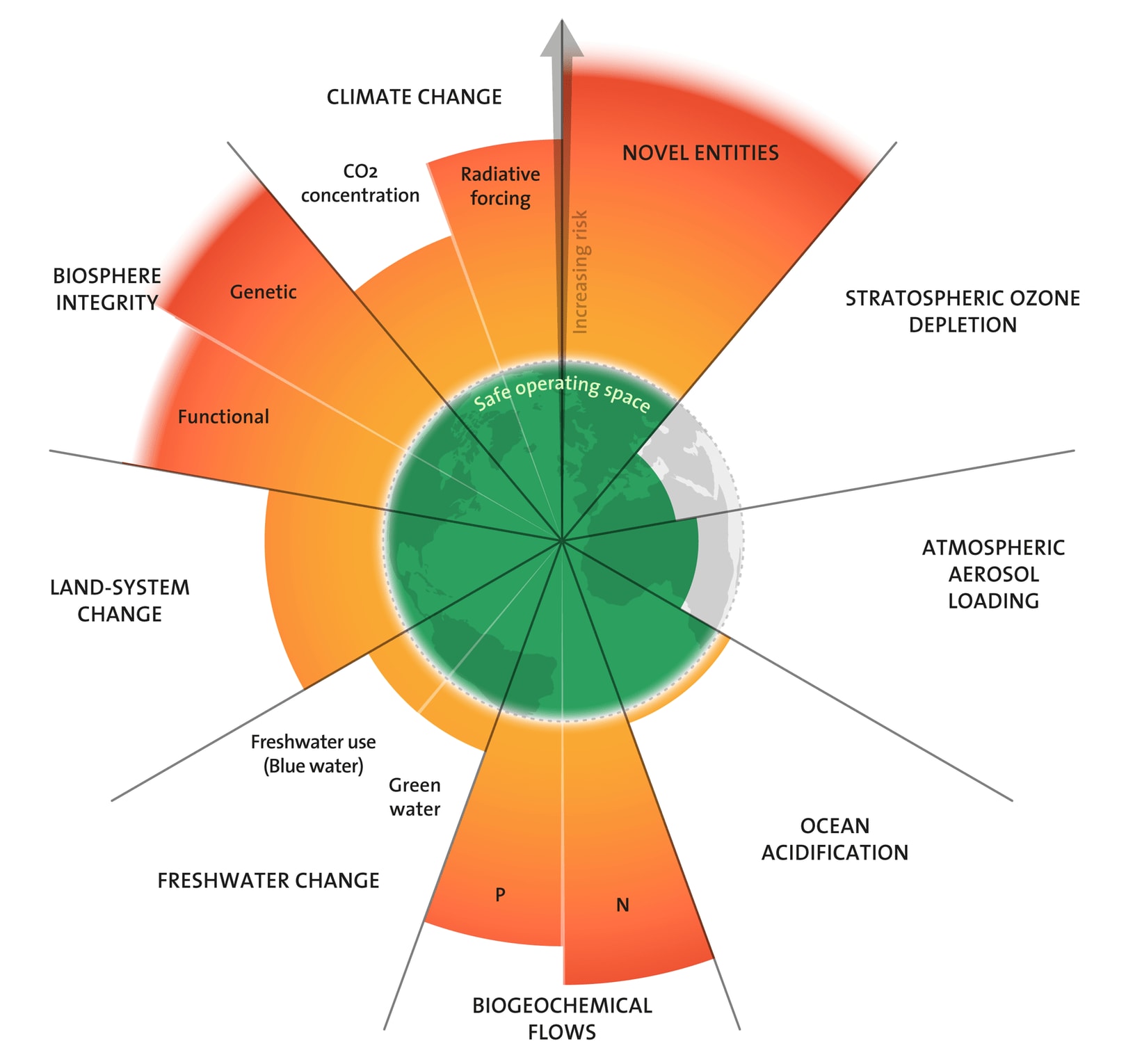
The Global Tipping Points Conference 2026 was held for the first time in Asia at Sunway University, Malaysia, from 12–15 October 2026. The conference brought together speakers from diverse backgrounds, including researchers, policymakers, business representatives, and others.
ASRI was among the organizations represented through the Youth Ambassador program, which brought together 25 young people. Through this program, Shafa Fakhira represented ASRI throughout the conference. Beyond plenary sessions, the conference featured a range of activities, including lightning talks, exclusive film screenings, action workshops, book launches, and various discussions.
Before attending the conference in person, the Youth Ambassadors participated in online training sessions to strengthen their understanding of planetary health, energy, and the communication skills needed to make complex information more accessible to wider audiences.
This participation not only provided an opportunity to connect with youth movements across Southeast Asia but also opened up opportunities for ASRI to explore future collaborations with various stakeholders.
Understanding Planetary Boundaries
Behind the diverse discussions and activities was a fundamental question that helps us understand today's environmental challenges: how far can the Earth sustain human activities without compromising its stability?
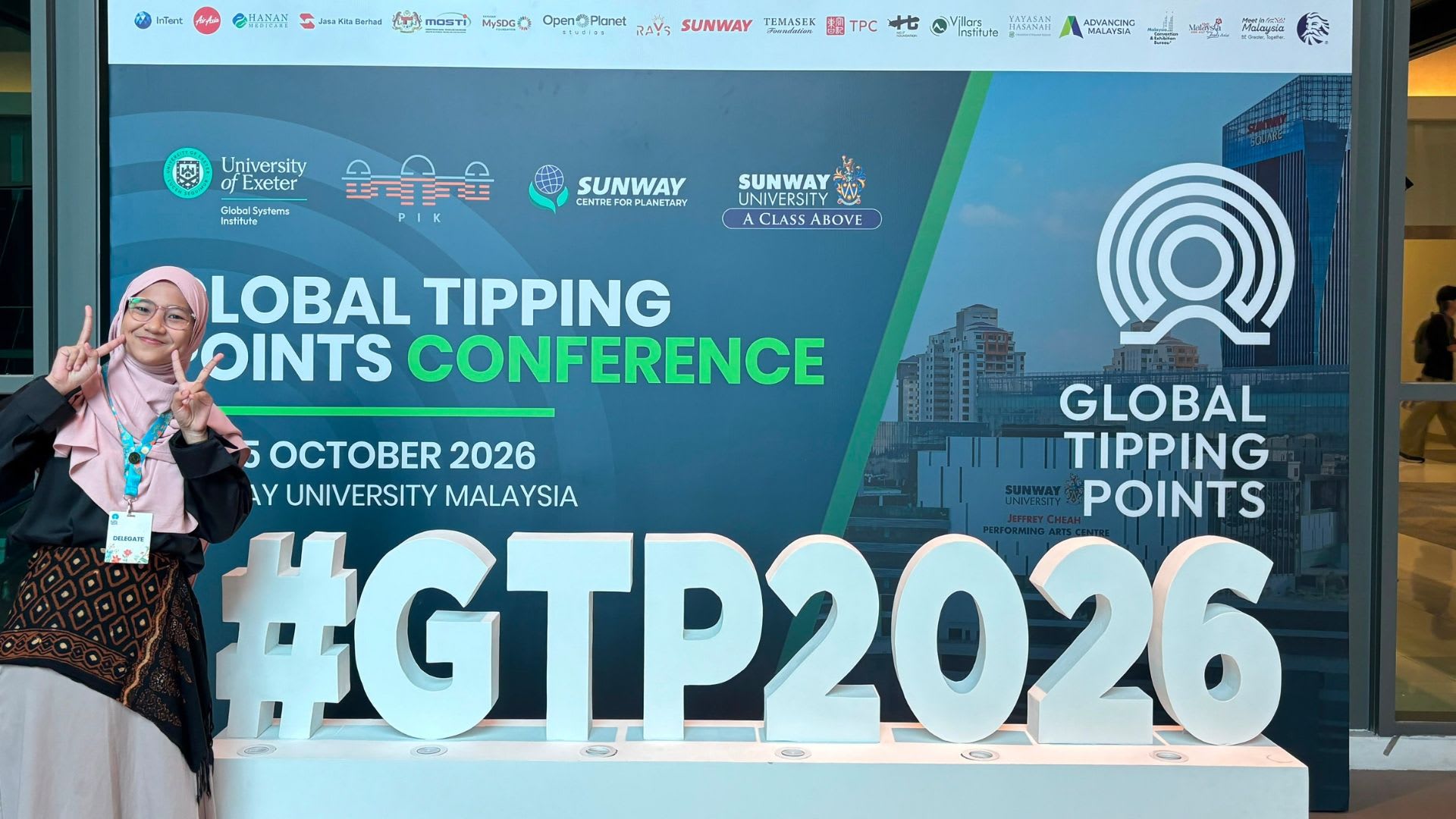
One of the key topics discussed at the conference was the Planetary Boundaries framework, which describes the safe limits of the Earth's system in the face of human pressures. The concept was first introduced in 2009 by a group of 28 internationally renowned scientists led by Johan Rockström, founder of the Stockholm Resilience Centre.
The Planetary Boundaries framework provides a science-based approach to understanding the limits of the Earth's capacity to support human development, while ensuring that human activities do not exceed these limits and cause irreversible environmental damage.
Climate change is perhaps the most widely recognized planetary boundary. However, it is only one of nine boundaries. The other eight are biosphere integrity, land-system change, novel entities (such as toxic substances), freshwater change, stratospheric ozone depletion, atmospheric aerosol loading, ocean acidification, and biogeochemical flows.
According to the research presented, seven of the nine planetary boundaries have been transgressed. This finding underscores the urgent need for action from different stakeholders to prevent further environmental degradation and protect the quality of life of all living beings that depend on the Earth's systems, including humans.
Transboundary Haze: An Issue Requiring Serious Attention
Another issue that received considerable attention during the conference was transboundary haze, which can cross national borders and affect countries such as Malaysia and Singapore. During several plenary sessions, this issue was raised to emphasize that the impacts of haze are not confined to the country where forest and land fires occur. Instead, they can extend to neighboring countries, making haze a shared regional concern.
During the conference, haze was also experienced in Malaysia. From the beginning of the event, the organizers advised delegates to wear masks and reduce outdoor activities.
Transboundary haze demonstrates that the impacts of an environmental crisis do not necessarily stop where the event originates. Forest and land fires in one area can affect air quality and public health in other regions. Understanding and addressing this issue therefore requires cooperation that goes beyond administrative and national borders.
Discussions on planetary boundaries and transboundary haze highlighted that understanding environmental challenges is only one part of a much larger task. The next question is how existing knowledge and evidence can be translated into meaningful change.
Evidence Alone Doesn't Change Systems
Being an Indonesia Youth Ambassador at the Global Tipping Points Conference 2026 gave me the opportunity to listen to diverse perspectives, exchange ideas, and understand that addressing environmental challenges requires the involvement of different generations and sectors.
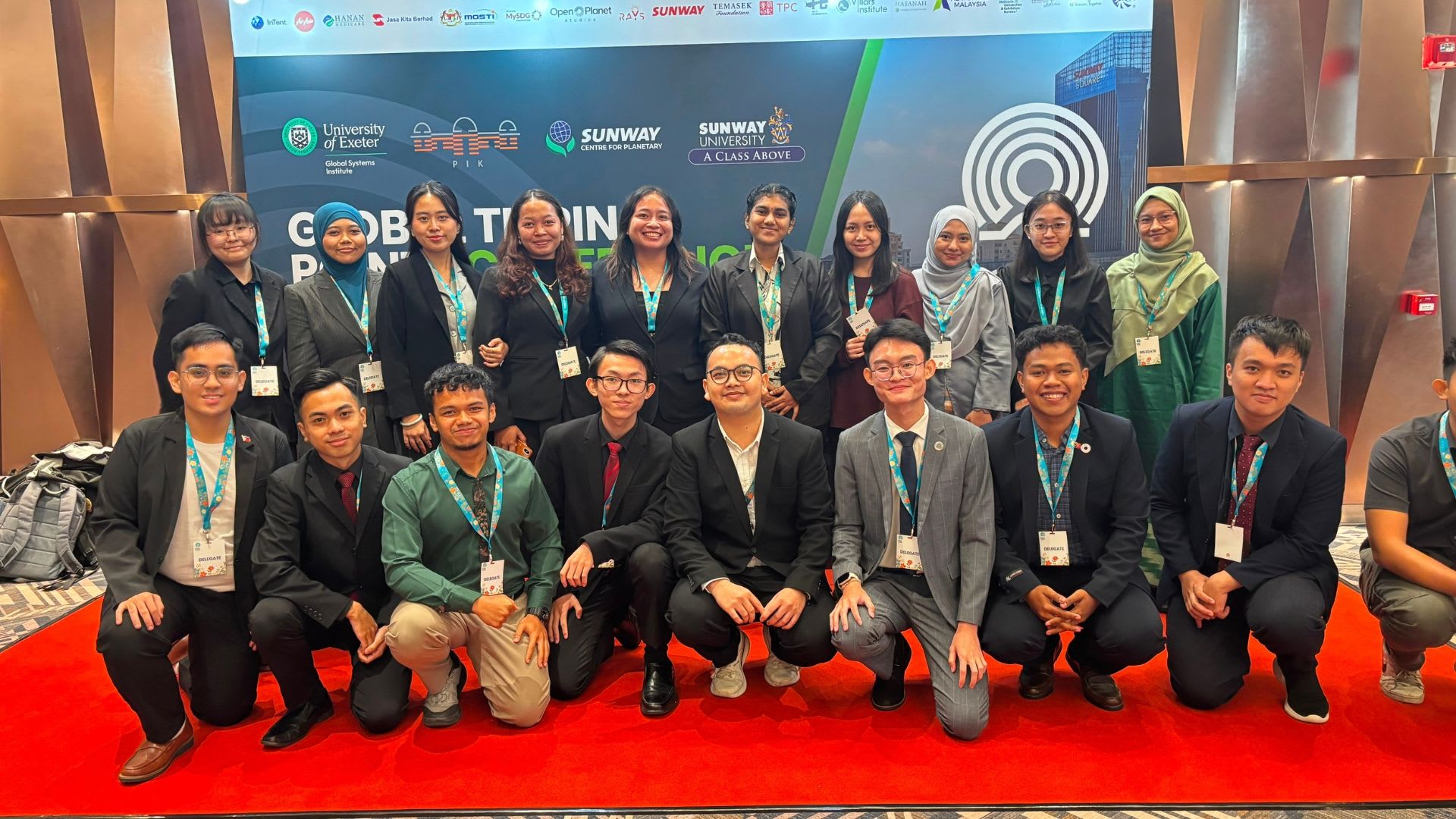
One of the key lessons I took home is that youth engagement should not stop at participating in international forums. The experiences and knowledge gained need to be connected back to local contexts, including through our work, communities, and ongoing collaborations.
The conference also reminded me that scientific data and evidence, although essential, are not always enough to drive systemic change. Knowledge needs to be communicated through storytelling that connects environmental challenges with people's everyday experiences. Approaches that consider values and beliefs, health, finance, and law are also needed to help different stakeholders understand shared challenges and take collective action.