From the Forests of Kalimantan to the World: ASRI Shares Lessons on Planetary Health and Community-Based Conservation in Nepal
How can improving community health help protect forests? How can Indigenous women strengthen food security while supporting conservation efforts? These were among the key questions that Yayasan Alam Sehat Lestari (ASRI) brought to Kathmandu, Nepal, during an international forum that brought together conservation practitioners from across Asia.
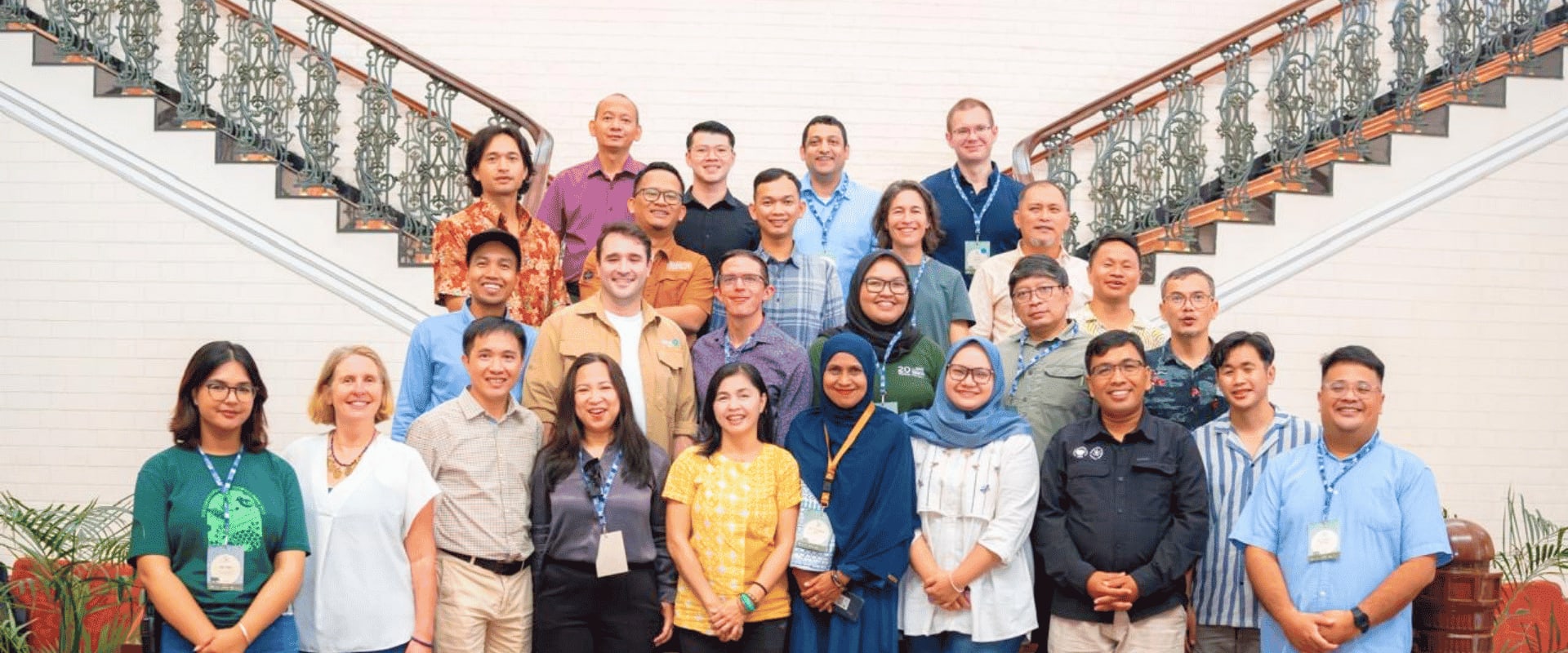
On 2–3 June 2026, ASRI participated in the Arcus Convening on Mainstreaming Conservation Impact Evaluation and the symposium Centring Ape Conservation in Asia: Context, Practice, and Impact, held at the Yak & Yeti Hotel in Kathmandu. The forum provided a valuable platform for learning and knowledge exchange among organizations working to protect wildlife, forests, and communities living alongside nature.
Representing ASRI were Indra, Director of Operations, and Anselmus Ardhiyoga, Bukit Baka Bukit Raya (BBBR) Project Manager, who shared experiences and lessons learned from West Kalimantan with participants from across the region.
When Health Becomes Part of the Conservation Solution
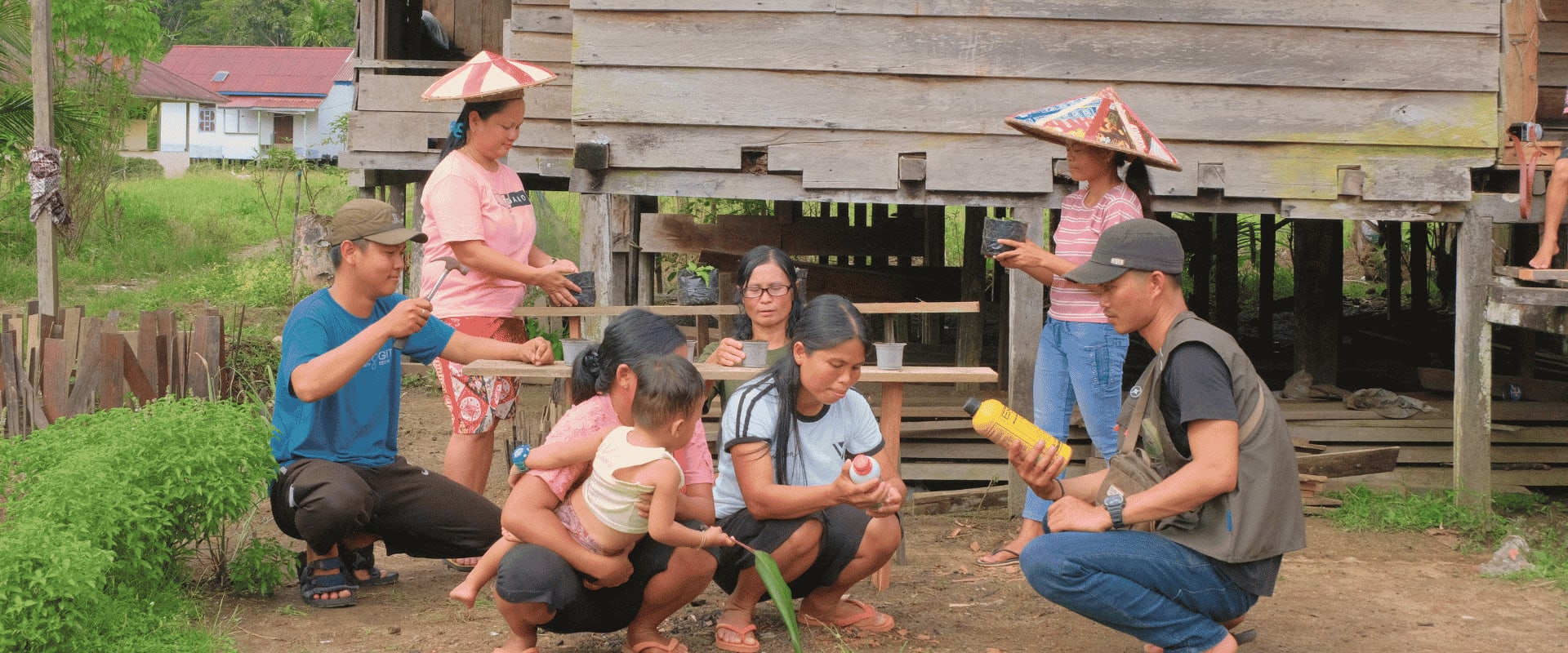
In his presentation, Indra introduced ASRI’s Planetary Health approach implemented in the Bukit Baka Bukit Raya National Park (BBBRNP) landscape. The program integrates community healthcare services, sustainable livelihood development, health and environmental education, and community-based conservation initiatives.
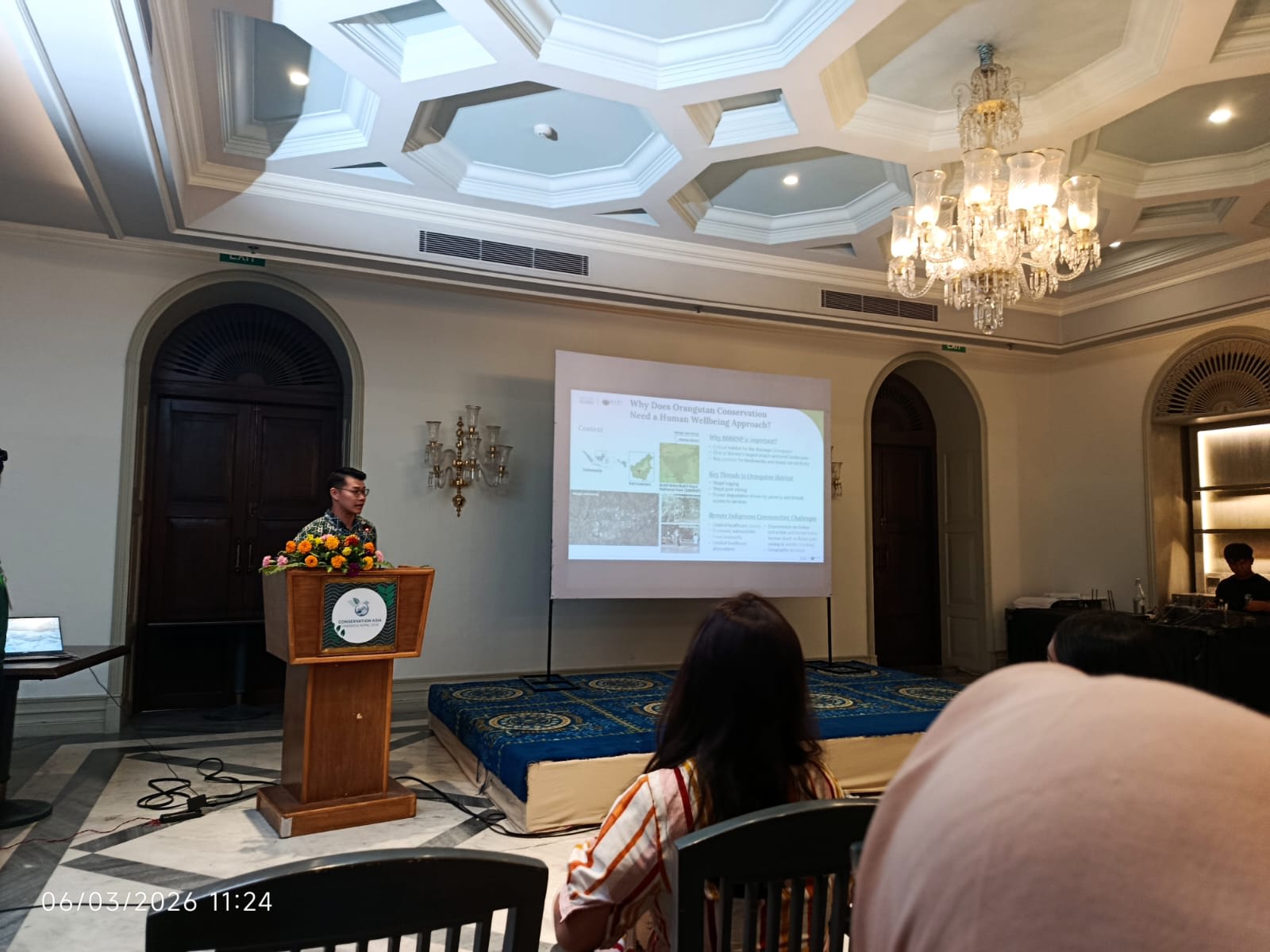
According to Indra, the key message ASRI wanted to convey was that conservation cannot be separated from the well-being of communities living around forest landscapes.
“Conservation becomes more effective and sustainable when people’s basic needs are part of the solution. When communities have better access to healthcare services and sustainable economic opportunities, pressure on forests can be reduced, creating conditions that support long-term conservation,” he explained.
Through this presentation, ASRI demonstrated how improving access to healthcare and community well-being can serve as an effective conservation strategy. The approach is grounded in the understanding that human health and ecosystem health are deeply interconnected and mutually dependent.
Indigenous Women’s Leadership from Bukit Baka Bukit Raya
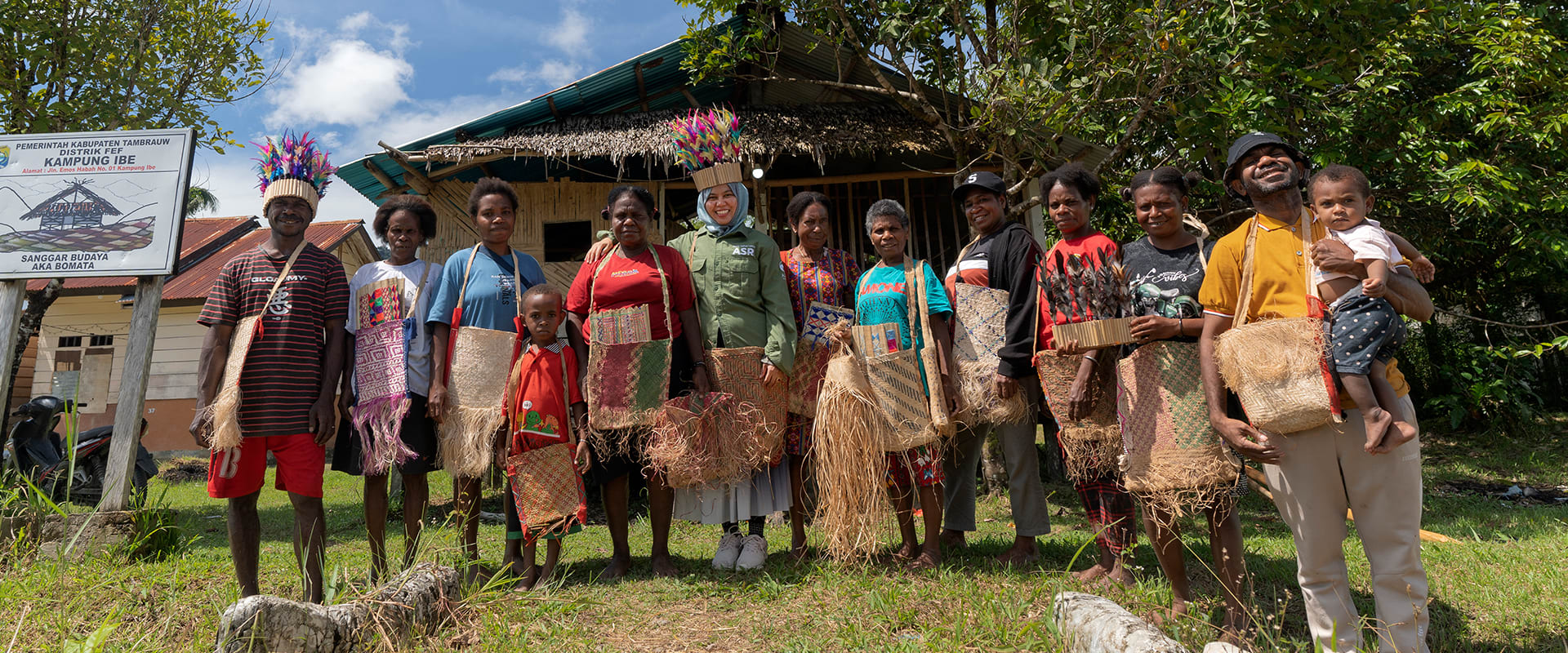
In addition to discussing Planetary Health, ASRI also shared an inspiring story from the Dayak Uud Danum Indigenous community in Bukit Baka Bukit Raya.
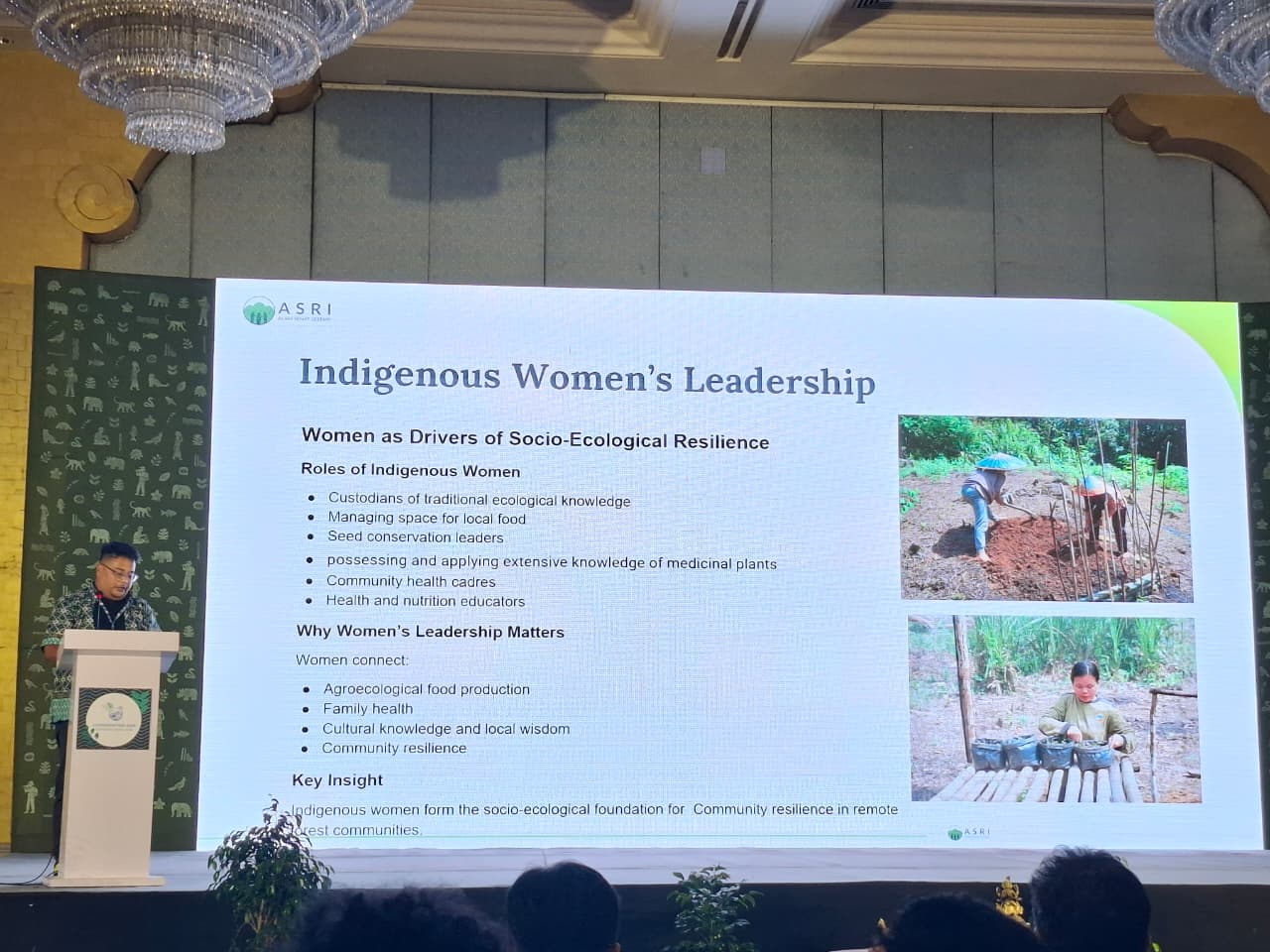
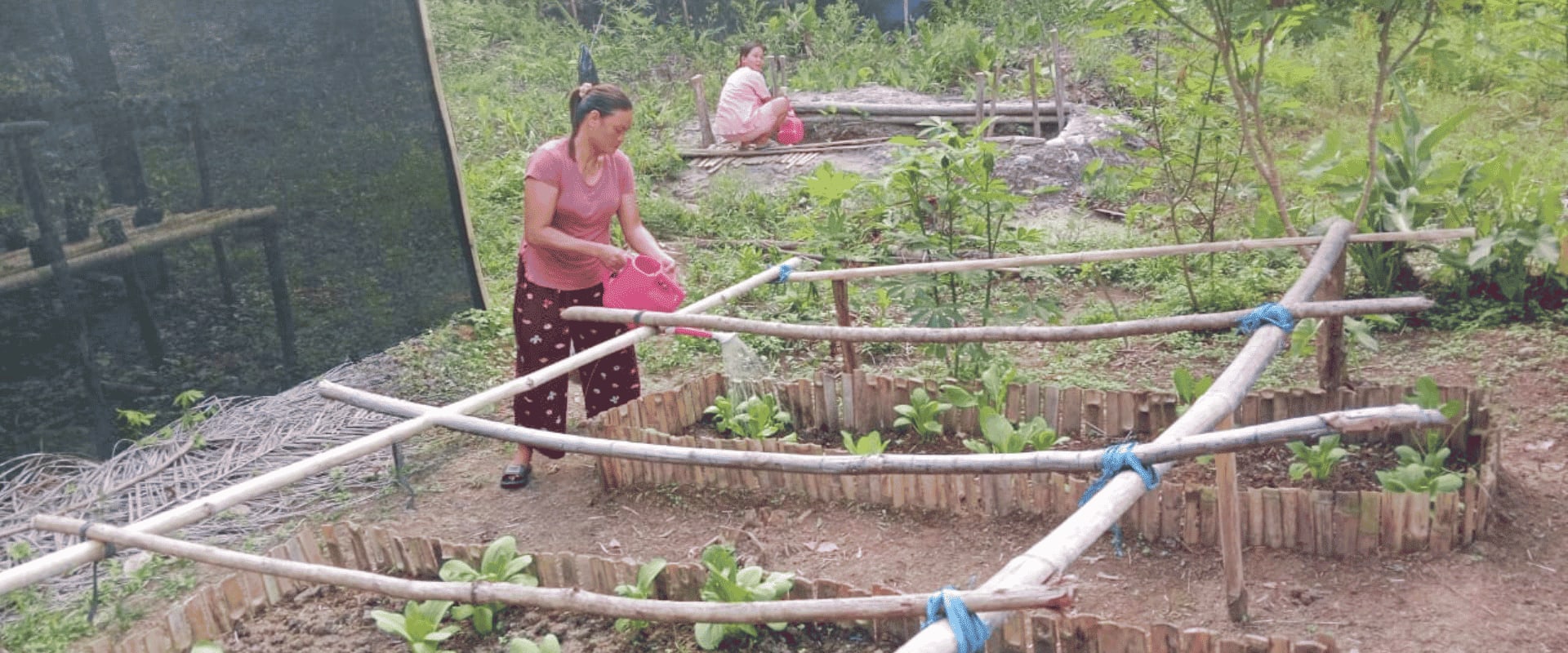
During the symposium, Anselmus Ardhiyoga presented on the role of Indigenous women’s leadership in food management and food security. Through an integrated nursery system, Indigenous women play a critical role in ensuring food availability for communities living in remote areas with limited access to food resources.
“This presentation focused on the leadership of Dayak Uud Danum Indigenous women in food management to strengthen community food security. The integrated nursery approach enables more equitable access to food, particularly for communities living in areas with limited food access,” said Yoga.
The story highlighted how conservation is not only about protecting forests and wildlife, but also about strengthening the capacities and resilience of the communities that are part of these landscapes.
Learning to Measure Real Impact
One of the central themes of the forum was the importance of impact evaluation in conservation programs. For many organizations, including ASRI, the challenge is not only implementing programs but also demonstrating that observed changes are genuinely influenced by those interventions.
Indra noted that one of the most valuable lessons from the forum was the concept of counterfactual thinking—understanding what might have happened if an intervention had never taken place.
“This approach encourages conservation organizations to move beyond measuring activities and outputs toward assessing meaningful impact. For ASRI, this perspective is highly relevant for understanding the contribution of our Planetary Health program to community well-being and forest protection in a more convincing way,” he said.
He emphasized that impact evaluation is particularly important because social and environmental changes are often influenced by multiple factors occurring simultaneously. As a result, more systematic and evidence-based approaches are needed to understand the extent to which conservation programs contribute to observed outcomes.
“Impact evaluation helps us understand not only what has changed, but also whether those changes can reasonably be attributed to the interventions we have implemented,” Indra added.
Yoga echoed this perspective, emphasizing that evaluation is a fundamental pillar of effective program management.
“Evaluation is a critical component of program management, not only in conservation. Through detailed and appropriate evaluation, we can better understand whether our programs truly respond to community needs or whether adjustments are needed,” he explained.
Expanding Knowledge and Building Networks
Beyond sharing experiences, the forum also provided opportunities for ASRI to learn from conservation organizations across Asia facing similar challenges.
Yoga highlighted the value of connecting with peers and learning from their experiences.
“One of the most important lessons from this forum was the opportunity to build networks with other NGOs and learn about the good practices they have implemented. This broadens our perspective and helps us develop more diverse programs that are better aligned with community needs,” he said.
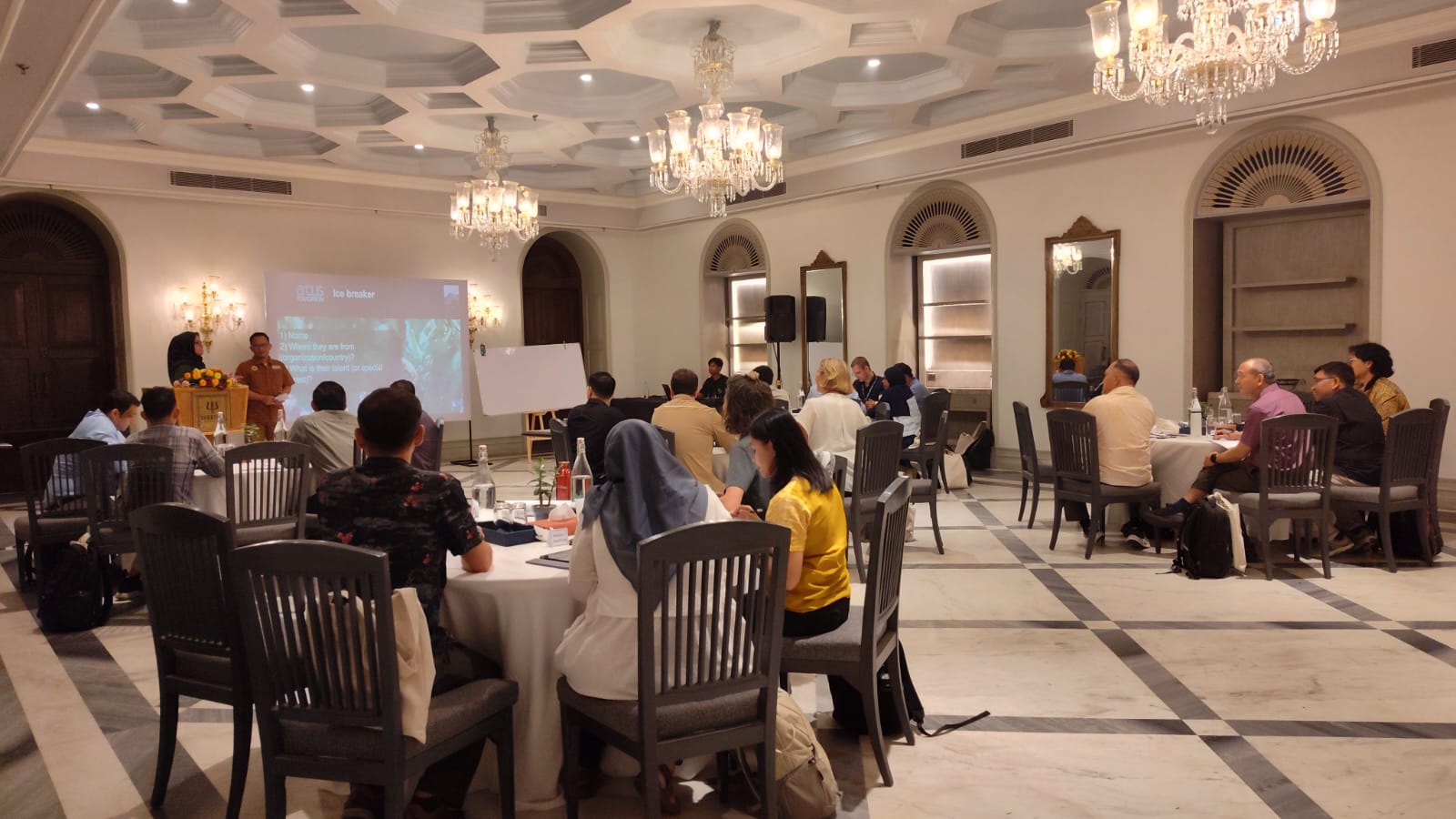
For ASRI, engaging directly with researchers, conservation practitioners, and partner organizations from different countries provided fresh insights into how social outcomes and conservation outcomes can be connected within a more comprehensive evaluation framework.
Towards a More Evidence-Based Organization
Looking ahead, ASRI plans to strengthen its impact evaluation system by more systematically integrating community health and conservation data. The organization also aims to enhance long-term monitoring of health, community well-being, and forest condition indicators, while exploring counterfactual-based approaches such as synthetic control methods.
Indra believes that one of the greatest benefits of participating in the forum is its contribution to ASRI’s journey toward becoming a more evidence-based organization.
“In the long term, the greatest benefit of this forum is helping ASRI become a more evidence-based organization, where program decisions can be guided by a deeper understanding of what works, why it works, and how positive impacts can be strengthened and scaled,” he said.
ASRI’s participation in Nepal demonstrated that the experiences and innovations emerging from communities living alongside the forests of Kalimantan have valuable lessons to offer the global conservation community. From healthcare services and Indigenous women’s leadership to food security and forest protection, these initiatives contribute to ongoing discussions about a future of conservation that is more inclusive, sustainable, and people-centered.