Strengthening the National Health System, the Ministry of Health of the Republic of Indonesia and ASRI have developed an Adaptive Healthcare Service Model for Remote and Extremely Remote Areas, including Forest Regions and Isolated Indigenous Communities
April is commemorated as World Health Month. This year, the observance highlights the theme “Together for Health,” emphasizing the importance of collaboration in advancing health outcomes. ASRI, an organization working in Planetary Health action, is actively contributing to this momentum by partnering with various stakeholders to promote health initiatives in Indonesia. This year, together with Indonesia’s Ministry of Health, Yayasan Alam Sehat Lestari (ASRI) and Health In Harmony (HIH) organized a Focus Group Discussion (FGD) in Bogor to formulate the development of modified healthcare services. The aim is to strengthen healthcare delivery and improve access to services in disadvantaged, border, and island regions (DTPK), forest areas, and Remote Indigenous Communities (KAT). This effort seeks to ensure that communities in these regions are not left behind in accessing healthcare.
This initiative is part of the transformation of primary healthcare services based on local contexts. It not only addresses limitations in access and resources but also positions communities as key actors within the health system. The approach integrates the strengthening of primary healthcare services with the empowerment of indigenous communities and forest conservation.
The FGD marks an initial step in developing and piloting modified healthcare service concepts, which are planned to be implemented in ten locations across Indonesia. The program is built within the framework of improving healthcare services in DTPK areas, forest regions, and KAT communities, as currently being developed by the Ministry of Health, with adjustments to the primary healthcare architecture to make it more effective, adaptive, and culturally relevant for indigenous and local communities.
Listening from the Grassroots
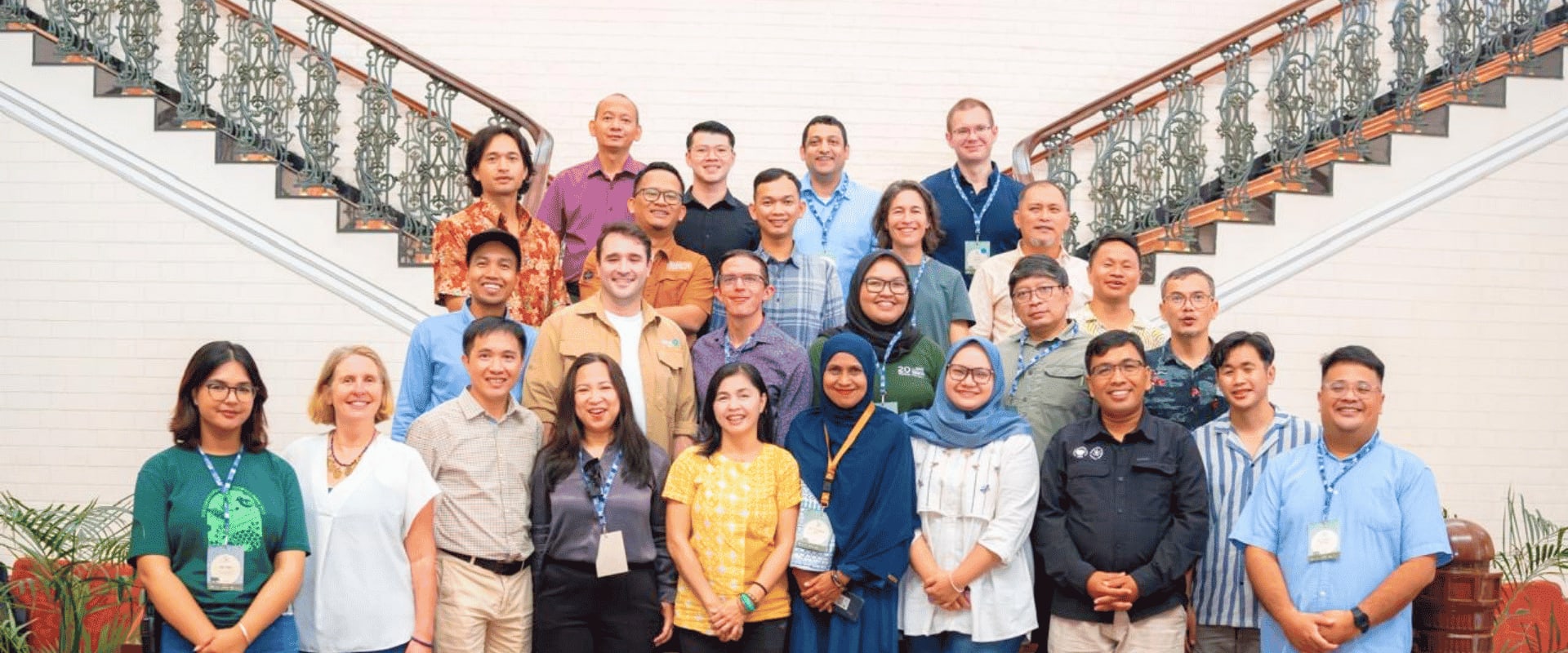
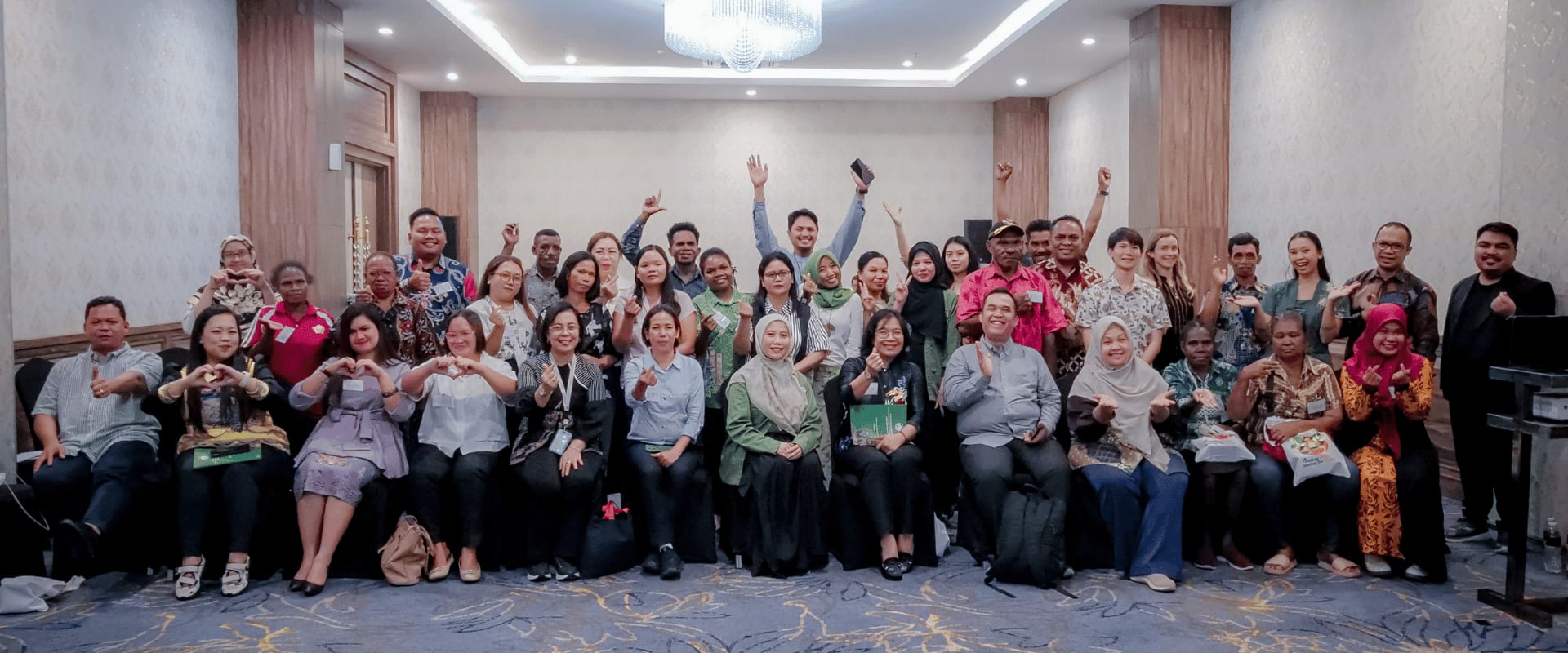
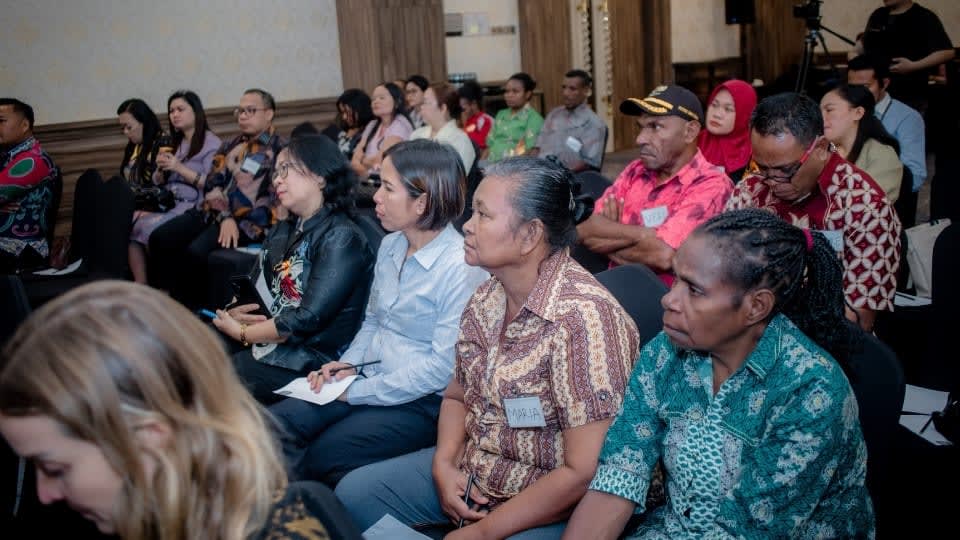
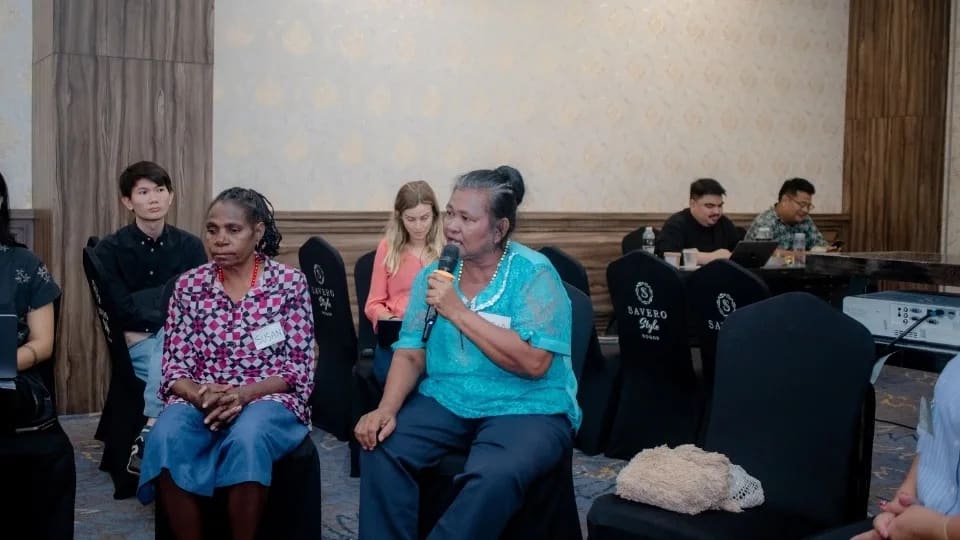
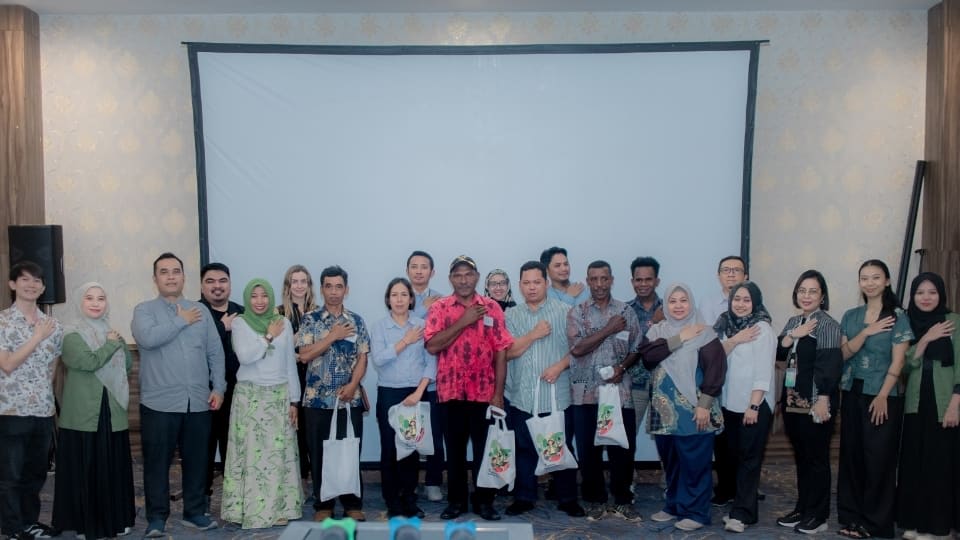
As part of the initial phase, the Ministry of Health, together with ASRI and HIH, conducted the Focus Group Discussion from April 6–10, 2026, in Bogor. The event brought together 25 representatives from five districts across five provinces: Asmat (South Papua), Tambrauw (Southwest Papua), North Luwu (South Sulawesi), Gunung Mas (Central Kalimantan), and Sintang (West Kalimantan). Participants included community health workers, representatives from forest communities and Remote Indigenous Communities, village heads or traditional leaders, primary healthcare (Puskesmas) staff, and district health officials.
The FGD served as a platform to deeply and comprehensively listen to the voices of communities on the frontlines as forest stewards, allowing them to share experiences, best practices, and real challenges in the field. This approach opens space for collective wisdom to inform relevant and sustainable solutions—not only focusing on improving healthcare services but also supporting livelihood strengthening to reduce pressure on deforestation.
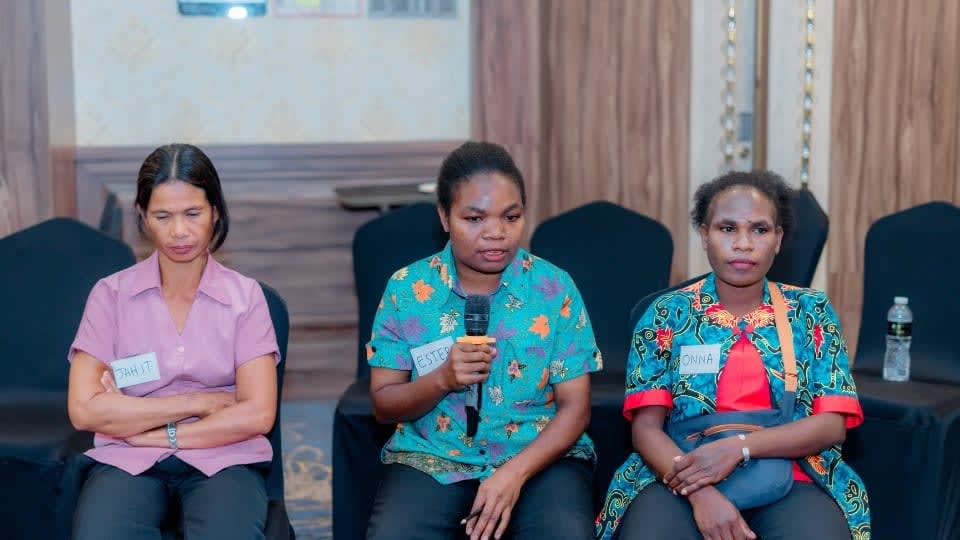
Participants shared powerful stories about healthcare challenges in their respective areas. Ester Yesnath, a health worker from Kwesefo, described the absence of basic health facilities such as posyandu, health centers, and medical personnel. Community members must travel 3–4 days on foot and 2–3 days by boat to reach the Mpur Health Center—sometimes up to a week. She recounted two cases of intestinal worm infections in children—one resulted in death, and another required referral to Sorong due to lack of treatment at the local health center. Costs can reach around IDR 4.5 million, excluding daily needs during travel. Distance, time, and cost often force communities to delay seeking care—not due to unwillingness, but because of physical and economic constraints.
Maria Georgoria Paramok, a health worker from Asmat, highlighted similarly limited conditions. Posyandu activities are sometimes held on her house terrace due to the absence of proper facilities. Access to healthcare remains highly restricted, with some diseases only treatable every six months or even once a year.
During the FGD, Maria expressed hope that ASRI could help extend healthcare access to her region, as has been done elsewhere. This hope reflects the ongoing reality of limited facilities and shortages of healthcare workers.
Commitment to Strengthening Equitable Primary Healthcare
This commitment was emphasized by Dr. Elvieda Sariwati, M.Epid, Director of Primary Healthcare Governance at the Indonesian Ministry of Health:
“In order to develop an implementable model for modified healthcare services in forest areas and remote indigenous communities, the Ministry of Health, in collaboration with ASRI and HIH, will develop and pilot these concepts in selected locations. To ensure effective outcomes in improving healthcare access, we are involving community leaders, religious leaders, and traditional leaders. A series of activities have been planned prior to implementation, including discussions to gather data, insights, experiences, best practices, and potential innovations from stakeholders participating in this FGD.”
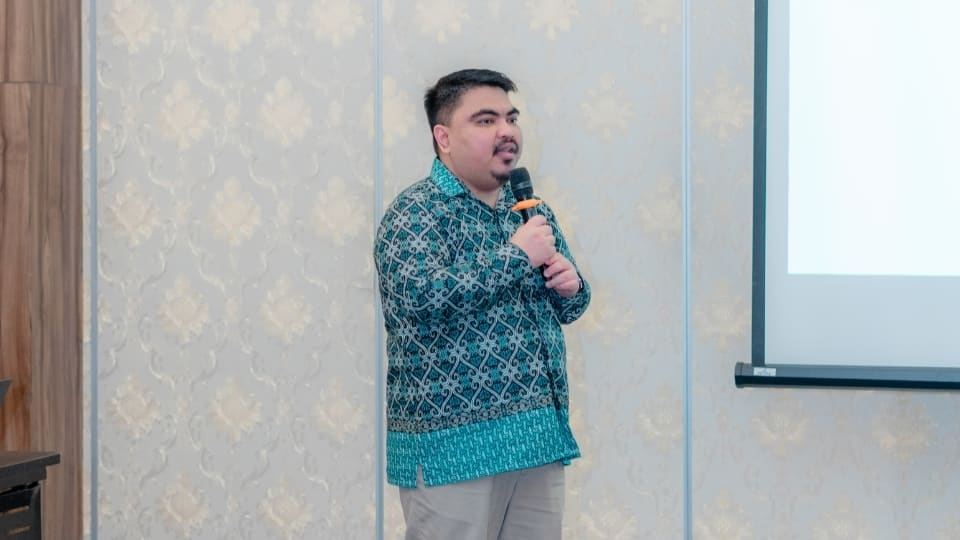
Similarly, Dr. Richard Kowel, MPH, Program Manager at ASRI, emphasized the importance of a community-based approach:
“For years, we have witnessed how limited healthcare access forces communities into difficult choices they never wanted to make. This program is not just about bringing healthcare services to remote forests and indigenous communities, but about listening to them, respecting their knowledge, and co-creating solutions rooted in their real needs—while ensuring their rights as citizens are fulfilled.”
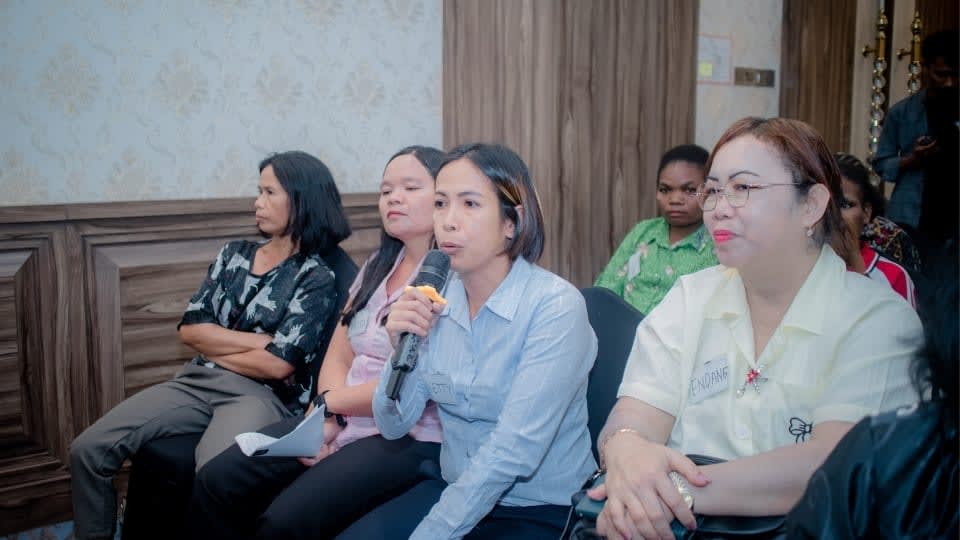
Netty, Head of Nanga Jelundung Village in Sintang, West Kalimantan, added:
“Our village borders Bukit Baka Bukit Raya National Park. Healthcare access is very limited due to distance, and transportation is only by river at high cost. ASRI’s mobile clinic has been very helpful. We hope that strengthening the role and capacity of health cadres will make us more self-reliant and give us sustainable livelihood options that do not harm the forest.”
Towards a Relevant and Sustainable Model
The three-day discussions generated in-depth insights into field conditions across the five pilot regions. Key issues identified include the need to strengthen the capacity of community health workers, opportunities for telemedicine, and identifying local partners for community-based direct investment.
“We also discussed how communities can become the primary designers of solutions to their challenges—from agroforestry and ecotourism to strengthening livelihoods based on local wisdom. This aligns with the Planetary Health model, which integrates human health, environmental sustainability, and social well-being into one interconnected framework,” said Yani Saloh, Chair of ASRI.
The input gathered from the FGD will serve as the foundation for developing modified healthcare service models to be piloted in each location, ensuring that every approach reflects the needs, realities, and priorities of local communities.
Next Steps
As the next phase, the Ministry of Health, together with ASRI and HIH, will begin pilot implementation in June 2026, marking the start of on-the-ground execution across all selected locations.
This collaboration is expected to produce an effective, community-based healthcare model that can be replicated nationwide—strengthening healthcare access while supporting forest conservation.